Brazil has many different regions and each city offers its own way of life. Safety is an important topic for anyone who wants to live work study or travel in the country. This guide looks at the cities that show strong security results and stable daily conditions. The aim is to give clear information based on facts so readers can understand how these cities perform and what they offer in everyday life.
Is Brazil Safe to Visit?
Yes, some parts of Brazil are safe to visit, especially cities that show stronger public security results and organized urban services. With basic precautions most visitors complete their trips without major issues.
Brazil receives many international and domestic travelers every year and several cities have structured tourism support, active public security programs and reliable local services. Cities such as Florianópolis Curitiba and Brasília are often highlighted for better safety conditions compared with higher risk areas in the country. Recent data from the Brazilian Public Security Yearbook also indicates that several Brazilian capitals have shown gradual improvements in key safety indicators over recent years. [1]
These cities maintain stable public services and efficient transport networks and some of them offer dedicated tourist assistance units through state or municipal programs. Cities including Florianópolis Curitiba and Vitória frequently appear among the top in Brazil in surveys that measure residents perception of safety. These national surveys focus on how secure people feel in daily life while considering factors such as public lighting local infrastructure and municipal services.
Safest Places to Live in Brazil
Brazil is a large and diverse country. Safety conditions vary by region yet several cities stand out for more stable public security, organized local governance and steady community life. These areas focus on reliable services, public lighting, healthcare access and urban planning. For people considering relocation the cities below offer a balanced mix of safety, quality of life and long term living conditions.
Rio de Janeiro, Rio de Janeiro
Curitiba, Paraná
Belo Horizonte, Minas Gerais
Brasília, Federal District
São Paulo, São Paulo
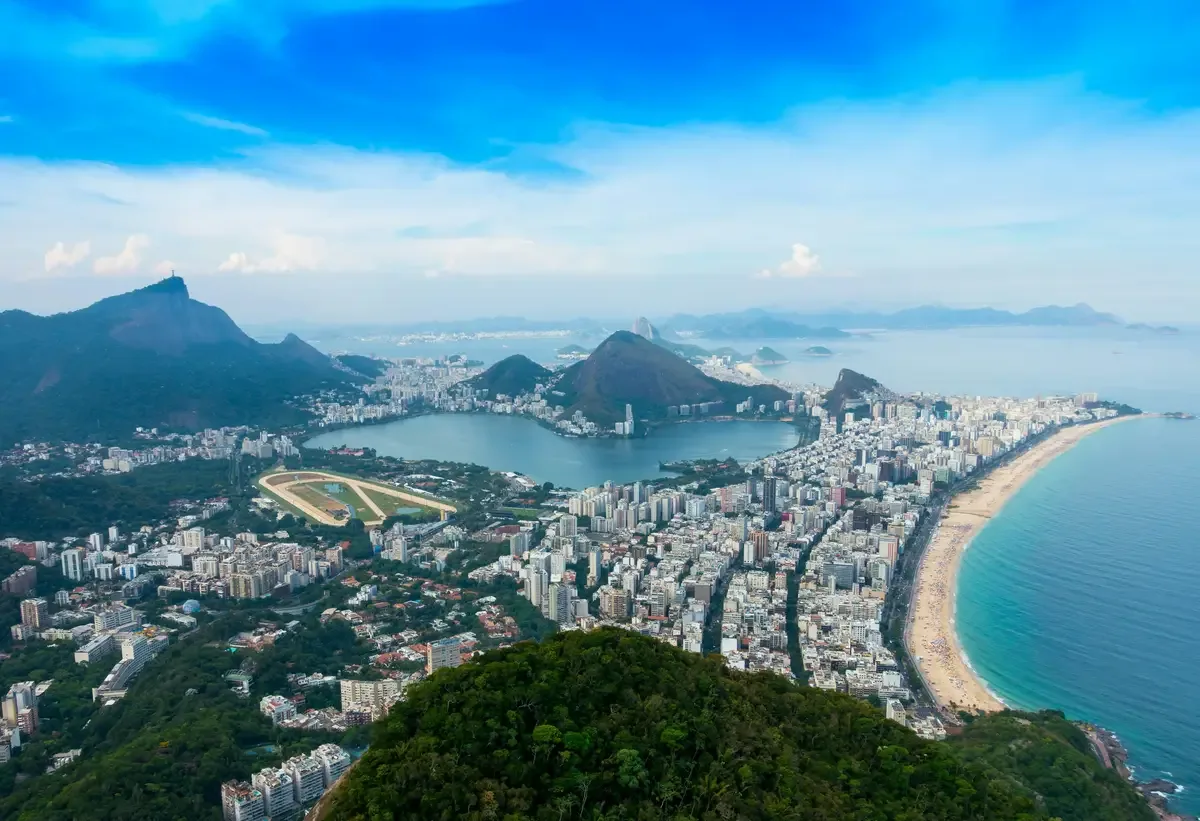
Rio de Janeiro is one of the most visited cities in Brazil and has areas with strong tourism services and advanced public infrastructure. While the city faces major challenges in some districts, several neighborhoods including Barra da Tijuca, Leblon, Ipanema and parts of the South Zone show more stable public security indicators and attract both residents and long term visitors. These areas offer good access to beaches, healthcare services and organized transport.
Why People Choose Rio de Janeiro:
South Zone and Barra da Tijuca have stronger public security presence compared with other districts
Access to beaches, sports areas and outdoor lifestyle
Well developed hospitality and tourism infrastructure
Large international community especially in the South Zone
High quality private healthcare facilities
Key Events:
Rio Carnival February: A world famous festival with parades, samba performances and large celebrations across the city.
Rock in Rio various years: One of the largest music festivals in the world with international artists and multiple stages
New Year’s Eve in Copacabana December: A major public celebration with concerts and a fireworks show on Copacabana Beach that attracts millions of visitors.
You can visit our eSIM Rio de Janeiropage before planning your travel.
Curitiba is known for its urban planning model with parks, transport systems and community services that contribute to stable public security. The city frequently appears in national surveys as one of the places where residents report higher trust in local safety. Crime indicators are lower than in many other major Brazilian cities.
Why Curitiba Stands Out:
High resident satisfaction ratings regarding safety and urban mobility.
Extensive network of parks and well cared public spaces.
Organized bus system that supports safer commuting routines.
Presence of universities and technology companies creating a steady workforce.
Hospitals with strong reputations across the southern region.
Must see Attractions:
Festival de Teatro de Curitiba (March to April): One of the most important theater festivals in Brazil.Christmas of Lights in Curitiba (December): City wide decoration and performances.Largo da Ordem Fair (Sundays): Popular open air market in the historic center.
Belo Horizonte has shown improvements in public safety indicators in recent years and is often listed among the safer large cities in Brazil. Residents report moderate yet steady levels of confidence in local services and policing. The city has structured healthcare, strong culinary traditions and ongoing cultural activities.
Why Belo Horizonte is Popular:
Recent downward trends in several crime categories.
Active community associations that participate in local projects.
Regular municipal patrols in central and residential areas.
Mild climate and accessible city layout.
Strong cultural identity with recognized food and music scenes.
What to do in Belo Horizonte:
Comida di Buteco (April): Culinary event that highlights traditional dishes.Festival Internacional de Teatro (various months): Shows and artistic presentations.Christmas in Praça da Liberdade: Holiday events with music and lights.
Brasília has one of the more stable security profiles among major Brazilian cities due to the presence of federal institutions, planned urban zones and broad public services. The city is divided into sectors that allow more organized policing and surveillance. It also ranks relatively better in national surveys of perceived safety than several other metropolitan areas.
Why Brasília Appeals to Residents:
Lower homicide rates than many other regions with similar population size.
Planned sectors that support mobility and ease of monitoring.
Broad healthcare network and national level institutions.
Significant diplomatic community and international presence.
Events and cultural centers spread across different districts.
Key Events:
Brazil Independence Day Parade (September): National celebration with civic presentations.Festival de Brasília do Cinema Brasileiro (October): Long standing film festival.Book Fair of Brasília (various dates): Public event with authors and workshops.
São Paulo is the largest city in Brazil and its safety varies by district. Despite its size the city has shown steady improvement in major crime indicators over the past decade and many central and southern districts report higher levels of perceived safety. The city invests heavily in public lighting, transport monitoring and community policing programs.
Why São Paulo Is a Smart Choice:
Consistent reduction in homicide rates compared with previous decades.
Large police presence including specialized units.
Diverse job market attracting professionals and students.
Extensive healthcare system with public and private hospitals.
Cultural life with daily events and exhibitions.
Must see Attractions:
São Paulo Art Biennial (every two years): Major international art exhibition.Virada Cultural (May): City wide cultural marathon with concerts and performances.Independence Day Celebrations in Ipiranga: Traditional events near the historic museum.
You can visit our eSIM São Paulo page before planning your travel.
Places to Avoid in Brazil
Brazil has several cities where security conditions remain unstable due to high levels of violent crime, the activity of criminal groups or limited public control in certain districts. While the country has many safe and livable areas, the cities listed below often appear in national reports for elevated crime rates and ongoing security challenges. Anyone considering relocation or long term stays should stay informed about local conditions and recent public safety updates.
Feira de Santana, Bahia
Feira de Santana is frequently mentioned as one of the most violent cities in Brazil. The city reports high homicide rates and recurring incidents linked to criminal groups. Several neighbourhoods outside the central area face limited public security presence, which contributes to a higher risk of armed crime. Although it is an important commercial hub in Bahia, safety remains a major concern for residents and visitors.
Fortaleza, Ceará
Fortaleza is a major coastal city that attracts millions of visitors every year, yet it also experiences consistently high levels of violent crime. Some districts struggle with gang activity and conflicts that can affect public areas. Tourist zones tend to be better monitored, but issues such as theft and robbery remain common. The city has been working to improve security, but several neighbourhoods still require caution.
Natal, Rio Grande do Norte
Natal has seen fluctuating security conditions over the past decade. While the city remains a popular destination in the Northeast, parts of Natal report high rates of violent crime, especially during night hours. Local authorities run regular operations to stabilize problem areas, but crime patterns continue to shift. This makes certain districts less predictable and more challenging for residents and long term visitors.
Maceió, Alagoas
Maceió is well known for its beaches and natural beauty, but it also appears regularly in crime rankings as one of the cities with higher levels of violence in Brazil. Some neighbourhoods deal with recurring incidents such as armed robbery and confrontations involving criminal groups. Tourist areas near the coast tend to be better policed, yet inland zones often face weaker public security.
Porto Alegre, Rio Grande do Sul
Porto Alegre is an important urban center in southern Brazil, but several districts show persistent security issues. Crimes such as robbery, theft and armed assault are frequently reported, especially after dark. While the city offers cultural life, universities and commerce, safety varies widely from one area to another. Visitors and new residents are often advised to pay attention to local guidance and avoid poorly lit or less monitored zones.
How to Stay Safe in Brazil as a Tourist
Check travel advisories from your country and from Brazilian authorities before and during your trip.
Book accommodations in well known neighborhoods with active tourism and reliable services.
Use official airport transport, registered taxis or trusted apps such as Uber and 99 instead of unmarked vehicles.
Withdraw cash from ATMs located inside banks or shopping centers and carry only what you need for the day.
At night stay in public and well lit areas and avoid walking alone in quiet or unfamiliar places.
Ask hotel staff, licensed guides or official tourism offices for local safety recommendations.
Keep your phone charged and accessible and remember that 190 is the general emergency number in Brazil.
Practical Safety Tips for Living in Brazil
Here are simple tips that help with daily life and comfort when settling in Brazil.
Stay Connected
Get an eSIM for Brazil to access mobile data immediately upon arrival without the need for a physical SIM card.
Keep your primary number active while using local data through dual SIM functionality for clear and reliable communication.
Roamless eSIM connects to major Brazilian networks to provide consistent and reliable coverage throughout your stay.
Stay Alert
Pay attention to your surroundings especially in busy streets and transport stations.
Avoid walking alone late at night in areas that are not well lit.
If a situation feels uncomfortable leave calmly and choose a different route.
Get Around Safely
Use reliable apps like Uber or 99 instead of hailing taxis from the street.
When traveling by car between cities main highways and toll roads are usually better maintained.
In traffic keep windows closed and doors locked especially during stops.
Protect Your Belongings
Keep phones cameras and jewelry out of sight in crowded areas.
Store passports and important documents in a secure place such as a hotel safe.
Carry only what you need for the day and keep digital copies of key documents.
Choose Safe Housing
Look for housing in neighborhoods known for calm conditions and good access to services
Choose buildings with proper lighting working locks and secure entry.
Getting to know your neighbors can help you feel more connected and supported.
Stay Informed
Register with your embassy for updates and support if needed.
Follow local news for information about weather transport and community events.
Know how to reach emergency services such as 190 and locate the nearest hospital or clinic.
Staying Connected in Brazil with a Roamless eSIM
If you are traveling to Brazil having mobile data as soon as you arrive makes it easier to move around, stay informed and stay in touch. A global eSIM like Roamless is a practical option that allows you to connect without buying a local SIM card.
Here is how a Roamless eSIM can help during your stay in Brazil:
Quick Setup: You can activate your plan on arrival without searching for a local SIM card or visiting a store.
Dual SIM functionality: Keep your home number active while using local data so you can stay connected both internationally and within Brazil.
Flexible data plans: Choose from plans that match your travel duration and daily data needs.
Multi network access: Stay connected by automatically switching to the strongest available local network in different regions of Brazil.
In addition, You can open the Roamless app and enter a valid promo code at checkout. To get the latest offers and extra data on your first purchase, visit oureSIM promo code page.
Brazil has many different cities and each one offers its own way of life. Safety can vary, so it is useful to stay informed and choose areas that are known to be more stable. By taking simple steps such as paying attention to your surroundings and using trusted services, daily routines become easier. With basic preparation you can travel or live in Brazil with more comfort and confidence.
Frequently Asked Questions
What is the safest city to live in Brazil?
Curitiba and Florianópolis are often mentioned among the safer large cities in Brazil. They usually show more stable public services, organized urban planning and consistent results in public safety surveys. Safety can still vary by neighborhood but these cities are generally viewed as reliable options.
How does Brazil ensure safety in its tourist areas?
Tourist areas in major cities often have more police presence, monitored public spaces and dedicated support services for visitors. Local authorities work with tourism agencies and communities to keep busy areas organized and to respond to incidents when needed.
Is all of Brazil dangerous?
No. Brazil has both very safe areas and places that require more caution. Many cities and tourist zones are well managed and comfortable for visitors and residents. It is always helpful to check official travel advisories and learn about local conditions before traveling.
Source:
[1] Fórum Brasileiro de Segurança Pública. (2024). Anuário Brasileiro de Segurança Pública 2024. https://forumseguranca.org.br/wp-content/uploads/2024/07/anuario-2024.pdf