When considering relocation or longer stays in Europe, safety and quality of life are often key considerations. Across the continent, a number of cities are known for their well-functioning public services, effective local administration, and stable social environments. These factors support everyday security, reliable infrastructure, and access to essential services, contributing to urban settings that are widely regarded as safe and livable for both residents and visitors.
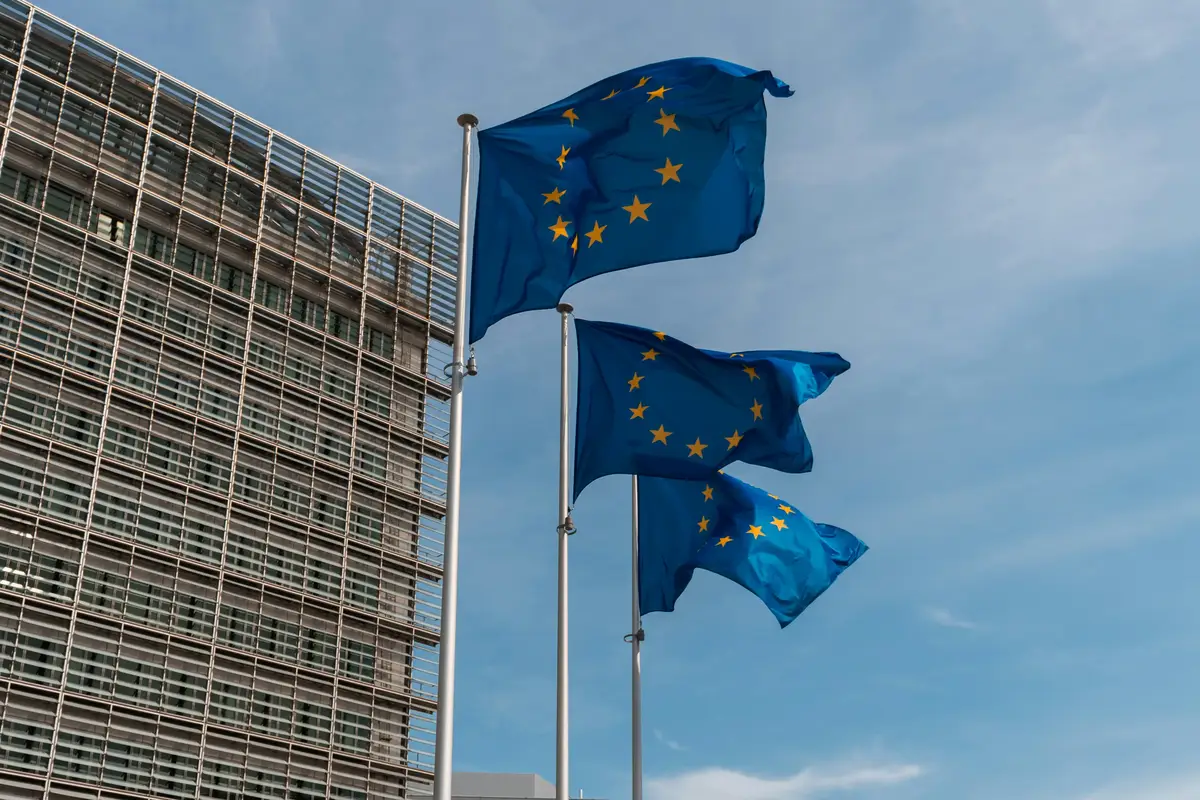
Is Europe Safe to Visit?
Yes, many parts of Europe are considered safe to visit, particularly urban areas with strong public institutions, reliable infrastructure, and well-developed tourism services. With basic precautions, most travelers experience a high level of safety and organization during their stay.
Europe is one of the most visited regions in the world, welcoming around 700 million international visitors in 2023 according to UN Tourism statistics. [1] Large metropolitan areas and established travel destinations commonly maintain dedicated tourist assistance units, extensive public transportation networks, and coordinated public safety systems. These factors contribute to consistent safety conditions in areas with high visitor density.
Almost 9 out of 10 residents in surveyed European cities rate their overall quality of life positively, including perceptions of safety and urban cohesion. [2] These surveys assess how secure people feel in their daily lives while also considering factors such as crime levels, access to public services, urban planning, and the effectiveness of municipal management. Together, the findings show that many European cities pair strong governance structures with everyday security, creating environments that support both short-term visits and long-term stays.
Safest Places to Live in Europe
1. Craiova, Romania
Craiova ranks among Europe’s safest cities according to safety index data, reflecting low levels of violent crime and a stable urban environment. The city benefits from consistent public service delivery, accessible healthcare facilities, and ongoing investment in urban development. Local authorities maintain a focus on public order and community-based safety initiatives.
Why People Choose Craiova:
High safety index compared to regional and European averages
Affordable cost of living with stable public services
Ongoing investment in infrastructure and urban renewal
Access to public healthcare and education systems
Compact city layout supporting safe daily mobility
For more information, you can read our eSIM Romania page.
Key Events:
Shakespeare International Festival (May): A major cultural event attracting international participants
Craiova Days (June): Annual celebrations highlighting local culture and history
2. The Hague (Den Haag), Netherlands
The Hague is widely known for its strong governance framework and well-organized public services. As an international administrative center, the city maintains high security standards, effective policing, and well-developed infrastructure. Safety in public spaces and transportation is consistently rated high.
Why People Choose The Hague:
Strong public safety policies and urban planning
Reliable public transportation and infrastructure
High-quality healthcare and social services
International environment with established institutions
Well-maintained residential and public areas
Key Events:
Just Peace Festival (September): Events focused on peace, law, and international cooperation
King’s Day Celebrations (April): Nationwide cultural celebrations observed throughout the city
For more information, you can read our eSIM Netherlands page.
3. Tampere, Finland
Tampere is recognized for its low crime rates and strong social trust, supported by Finland’s comprehensive welfare and public safety systems. The city offers reliable infrastructure, accessible healthcare, and safe public transportation, contributing to consistently high safety perceptions among residents.
Why People Choose Tampere:
Very low levels of violent crime
Strong public healthcare and education systems
Safe and efficient public transport
High-quality urban planning and environmental standards
Stable social and institutional environment
Key Events:
Tampere Theatre Festival (August): One of the largest theatre festivals in the Nordic region
Tampere Film Festival (March): International short film festival
For more information, you can read our eSIM Finland page.
4. Trondheim, Norway
Trondheim benefits from Norway’s strong public institutions, low crime rates, and high investment in social services. The city is known for safe neighborhoods, efficient emergency services, and well-maintained public infrastructure, supporting a secure living environment.
Why People Choose Trondheim:
Consistently low crime statistics
Strong healthcare and emergency response systems
High standards of public administration
Safe pedestrian and cycling infrastructure
Stable economic and social conditions
Key Events:
St. Olav Festival (July): Cultural and historical festival with national significance
Trondheim Jazz Festival (May): Annual music event attracting international artists
For more information, you can read our eSIM Norway page.
5. Munich, Germany
Munich records comparatively low levels of violent crime among large German cities, according to data published by the German Federal Criminal Police Office (Bundeskriminalamt), reflecting the city’s strong policing capacity and effective crime prevention measures (Bundeskriminalamt, 2023). [3]
Why People Choose Munich:
Strong policing and public safety infrastructure
Reliable and extensive public transportation network
High-quality healthcare and emergency services
Well-regulated urban environment
Access to education, employment, and public amenities
Key Events:
Oktoberfest (September–October): World-famous cultural festival
Munich Security Conference (February): Major international policy event
For more information, you can read our eSIM Germany page.
Places to Avoid in Europe
While many European cities maintain high living standards, some urban areas report higher crime index levels linked to population density, socioeconomic pressures, or localized criminal activity. These conditions do not apply uniformly across entire cities but tend to be concentrated in specific districts. Awareness of local conditions and neighborhood-level differences is important when planning visits or long-term stays. Based on crime index rankings, the following cities show comparatively higher reported crime levels within their respective countries.
Marseille, France
Marseille records one of the higher crime index levels in Western Europe. Challenges are often linked to organized crime networks, drug trafficking routes, and socioeconomic inequality in certain districts. While central and coastal areas remain active and monitored, crime levels can vary significantly between neighborhoods, particularly in northern parts of the city.
Birmingham, United Kingdom
Birmingham reports elevated crime levels compared to other major UK cities. Issues commonly include property crime, gang-related incidents, and antisocial behavior in specific areas. Safety conditions differ notably by district, with regeneration efforts improving some neighborhoods while others continue to face persistent challenges.
Naples, Italy
Naples faces long-standing safety challenges connected to organized crime groups and economic disparities. While many central and tourist-focused areas are actively policed and function normally, certain outer districts experience higher rates of theft, vandalism, and informal criminal activity.
Liège, Belgium
Liège shows higher crime index levels relative to other Belgian cities. Factors include urban density, economic transition, and localized property crime. Safety conditions are generally stable during daytime hours, but some districts report increased incidents after dark. According to crowd-sourced crime index data, Liège’s overall crime index is approximately 58.1, higher than the Belgian average and reflecting elevated concerns around property and violent crime perceptions in the city. [4]
Practical Safety Tips for Living in Europe
Here are some general safety considerations that support daily life and long-term stays across Europe:
Stay Connected
Get an eSIM for Europe to access mobile data as soon as you arrive, without the need for a physical SIM card.
Keep your primary number active while using local data through dual SIM functionality.
Use eSIM services that connect to major European networks for stable coverage across multiple countries.
Stay Alert
Remain aware of your surroundings in crowded public transport, tourist areas, and unfamiliar neighborhoods.
Avoid poorly lit streets and isolated areas at night, especially where pedestrian activity is limited.
If a situation feels uncomfortable, move calmly toward a busier and better-lit location.
Get Around Safely
Use licensed taxis, official ride-hailing apps, or well-regulated public transportation systems.
Choose established rail networks, highways, and transport providers for intercity and cross-border travel.
Stay alert in high-traffic pedestrian zones and busy urban intersections.
Protect Your Belongings
Keep valuables such as phones, wallets, and travel documents out of sight in public places.
Store passports and important documents in a secure location, such as a locked residence or hotel safe.
Carry only essential items and keep digital copies of key documents.
Choose Safe Housing
Select neighborhoods with good lighting, reliable public services, and well-maintained infrastructure.
Prefer buildings with secure entry systems, functioning locks, and controlled access.
Familiarize yourself with neighbors and local routines to improve everyday awareness.
Become Part of the Community
Learn basic local language skills to support daily interactions and integration.
Respect local customs, regulations, and social norms.
Follow local news and community channels to stay informed about changes in local conditions.
Stay in the Loop
Register with your embassy or consulate to receive official updates and assistance.
Follow reliable local or national news sources for weather alerts, transport disruptions, and public advisories.
Know how to contact emergency services (112 is the general emergency number across most of Europe) and identify the nearest medical facility.
Staying Connected in Europe with a Roamless eSIM
When traveling to Europe, having mobile data available as soon as you arrive can make daily movement, navigation, and communication much easier. A global eSIM like Roamless offers a convenient way to stay connected without relying on a physical local SIM card.
Here’s how a Roamless eSIM can support your time in Europe:
Instant Activation: Your data plan can be activated immediately upon arrival, removing the need to look for a local SIM provider.
Dual SIM Support: Keep your primary phone number active while using mobile data through the eSIM, allowing uninterrupted communication.
Flexible Data Options: Select from multiple plans based on your length of stay and expected data usage.
Multi-Network Coverage: Stay connected by automatically accessing the strongest available local network in different areas.
You can also access the Roamless app and apply a valid promo code during checkout. For current promotions and bonus data on your first purchase, refer to the official eSIM promo code page.
Whether visiting or staying longer in Europe, choosing locations with reliable public services and staying informed supports a smoother experience. With mobile data available from the moment you arrive, a solution like the Roamless eSIM helps you stay connected and informed throughout your time in the region.
Frequently Asked Questions
What is the safest city to live in Europe?
There is no single safest city across all of Europe, as safety levels vary by country and over time. However, cities that consistently rank high in safety and quality-of-life surveys tend to share common features such as low violent crime rates, strong public services, effective local governance, and well-maintained public spaces. These cities often perform well in resident perception surveys that measure how safe people feel in their daily lives.
How does Europe ensure safety in tourist areas?
In many European cities, popular tourist areas benefit from visible policing, dedicated tourist assistance services, and extensive use of public surveillance. Local authorities often coordinate with transport operators, municipal services, and tourism offices to manage crowds, respond to incidents, and maintain public order, especially during peak travel seasons and major events.
Is all of Europe safe?
No region is entirely risk-free. While Europe is generally considered safe compared to many other regions, safety conditions can vary by country, city, and neighborhood. Most visitors experience no issues, particularly in well-developed urban areas, but travelers are encouraged to stay informed through official advisories and local information sources.
Is Europe safe for long-term living?
Many people live long term in European cities without safety concerns, particularly in locations with strong institutions, reliable healthcare systems, and stable infrastructure. Choosing an appropriate city and neighborhood, understanding local regulations, and staying informed about community conditions are important factors for long-term safety.
Are emergency services reliable in Europe?
Emergency services across most of Europe are accessible through the 112 emergency number, which connects callers to police, ambulance, and fire services. Response times and service quality vary by country and region, but larger cities and well-developed areas generally provide comprehensive and efficient emergency coverage.
Do safety conditions vary by neighborhood?
Yes. Safety levels can differ significantly within the same city. Central areas, well-connected neighborhoods, and locations with good lighting and active public spaces often report lower crime levels than more isolated or underserved districts. Understanding neighborhood-level conditions is an important part of assessing safety in European cities.
Sources:
[1] ITB Berlin. (2023). Europe: Facts & figures. https://news.itb.com/daily/europe-facts-figures/
[2] European Commission. (2023). Quality of life in European cities 2023: Perception survey. Publications Office of the European Union. https://ec.europa.eu/regional_policy/sources/reports/qol2023/2023_quality_life_european_cities_en.pdf
[3] Bundeskriminalamt. (2024). Police Crime Statistics 2023. German Federal Criminal Police Office. https://www.bka.de/EN/CurrentInformation/Statistics/PoliceCrimeStatistics/2023/pcs2023.html
[4] Numbeo. (2025). Crime in Liège, Belgium. https://www.numbeo.com/crime/in/Liege