Ireland has a mild climate influenced by the Atlantic Ocean. Weather conditions vary by season and region. Daylight hours change throughout the year. Travel conditions and available activities depend on these factors. Understanding seasonal differences can help with travel planning.
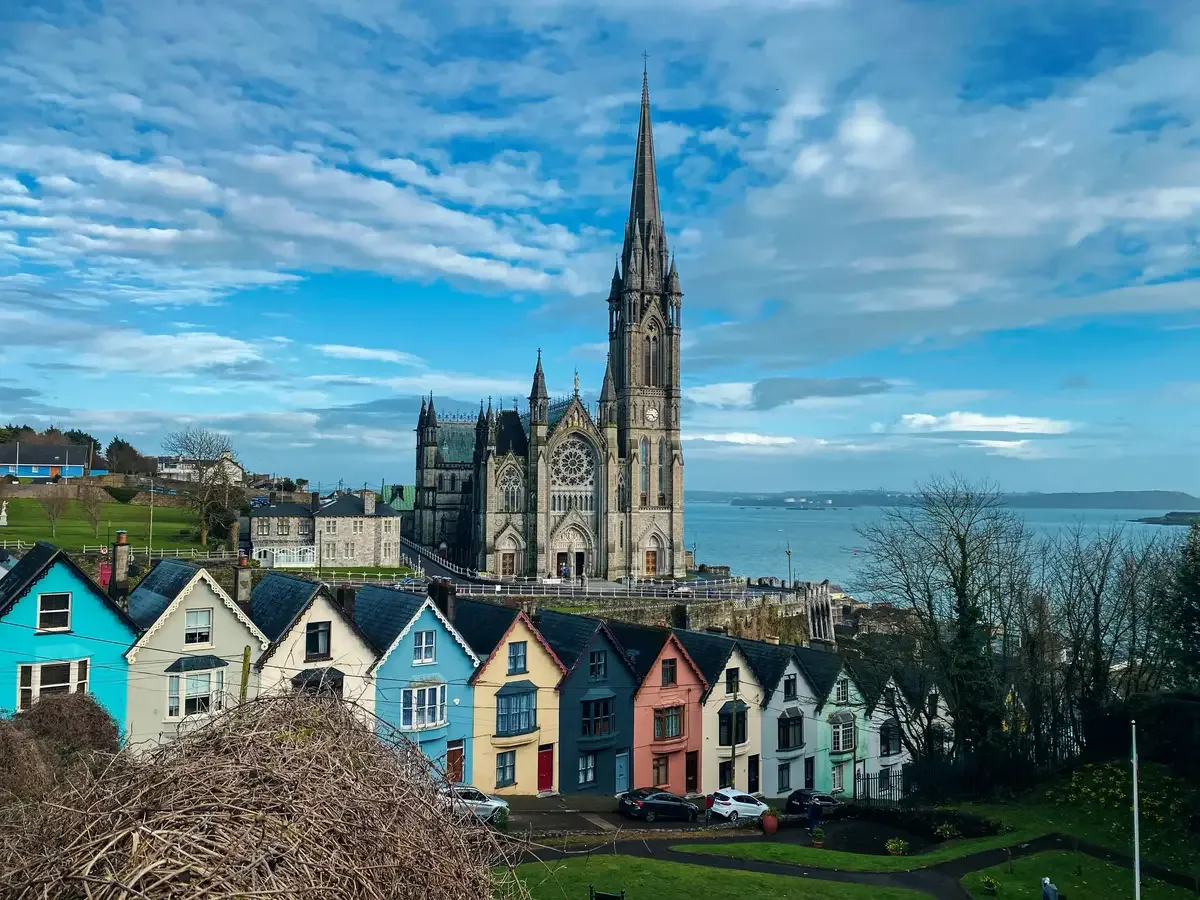
When Is the Best Time to Visit Ireland?
The best time to visit Ireland is generally during the late spring and summer months, from May to September. During this period, weather conditions are milder, daylight hours are longer, and travel infrastructure operates at full capacity. Visitor numbers increase compared to other months, but weather-related disruptions are less frequent. These months are often preferred for outdoor activities, sightseeing, and travel between regions.
Tourist Seasons in Ireland
Peak Season
June to August is the busiest period for tourism in Ireland.
Weather conditions are generally mild during summer months.
Tourist numbers increase at major cities and popular attractions.
Hotel and flight prices are usually at their highest levels.
Note: Summer months account for the highest visitor volume due to school holidays and increased travel demand.
Shoulder Season
April to May and September to October are considered shoulder seasons.
Temperatures are moderate, and weather conditions are variable.
Visitor numbers are lower compared to peak season.
Accommodation and transportation costs are often lower than in summer.
Low Season
November to March is the least busy travel period.
Weather is cooler, with higher rainfall and shorter daylight hours.
Fewer tourists visit during this time.
Hotel and flight prices tend to be at their lowest.
Each season presents different conditions related to weather, visitor levels, and travel costs. These factors can affect travel planning and timing decisions.
Best Months to Visit Ireland
Spring
1. March
Weather: March marks the transition from winter to spring. Average temperatures range from 6°C to 11°C. Weather conditions are changeable, with rain and occasional cold days.Price: Accommodation and flight prices remain relatively low compared to summer months.Crowds: Visitor numbers are low to moderate. Tourist sites are generally less crowded.Events and Festivals:
St. Patrick’s Day: National celebrations across Ireland on March 17.
Cork St. Patrick’s Festival: Multi-day events including parades and cultural programs.
Dublin Festival of History (spring sessions): Talks and exhibitions at historical venues.
2. April
Weather: April brings milder temperatures, typically between 8°C and 13°C. Rain showers are frequent, and daylight hours increase.Price: Travel costs begin to rise slightly but remain moderate.Crowds: Tourist activity increases, particularly around public holidays.Events and Festivals:
Easter-related events: Public celebrations during the holiday period.
Galway Food Festival: Events focused on local food and producers.
Waterford Festival of Food (spring edition): Regional food markets and tastings.
3. May
Weather: May offers more stable conditions, with average temperatures between 11°C and 16°C. Rain is still possible.Price: Prices increase compared to early spring but are lower than peak summer rates.Crowds: Visitor numbers continue to grow, especially in major cities and coastal areas.Events and Festivals:
Local food and music festivals: Seasonal events across regions.
Bealtaine Festival: Arts and culture festival focusing on creativity.
Killarney Walking Festival: Guided walks and outdoor activities.
Summer
4. June
Weather: June has mild temperatures ranging from 14°C to 18°C. Daylight hours are long.Price: Accommodation and flight prices rise as demand increases.Crowds: Tourist numbers increase at popular attractions.Events and Festivals:
Outdoor festivals: Music and cultural events nationwide.
Bloomsday Festival: Literary events celebrating James Joyce.
Cork Midsummer Festival: Performances and art installations.
Note: Central Statistics Office data for June 2025 show that foreign visitors spent approximately €647 million on tourism-related activities in Ireland, with visitors staying a total of 5.2 million nights. [1]
5. July
Weather: July is one of the warmest months, with temperatures between 15°C and 20°C. Rain remains possible.Price: Travel costs reach higher levels due to peak demand.Crowds: Tourist numbers are high, especially in urban and coastal areas.Events and Festivals:
Summer cultural festivals: Nationwide events during peak season.
Galway International Arts Festival: Large-scale arts and performance festival.
Longitude Festival: Music festival held in Dublin.
6. August
Weather: August remains mild, with average temperatures of 15°C to 20°C.Price: Prices stay high throughout the month.Crowds: High visitor levels continue, particularly during school holidays.Events and Festivals:
National and local festivals: Seasonal events across towns and cities.
Puck Fair: Traditional festival held in Killorglin.
Rose of Tralee Festival: Cultural celebration and televised event.
Autumn
7. September
Weather: September brings cooler conditions, with temperatures between 13°C and 18°C.Price: Accommodation and flight prices begin to decrease.Crowds: Tourist numbers decline after summer.Events and Festivals:
Harvest festivals: Agricultural and food-focused events.
Electric Picnic: Major music and arts festival.
Galway International Oyster Festival: Food and cultural celebrations.
8. October
Weather: October temperatures range from 10°C to 14°C. Rainfall increases.Price: Travel costs are generally lower than summer months.Crowds: Visitor levels are moderate to low.Events and Festivals:
Cultural and seasonal festivals: Local community events.
Dublin Theatre Festival: Performances from Irish and international companies.
Halloween events: Festivals and themed activities in various towns.
9. November
Weather: November is cooler, with temperatures between 7°C and 11°C. Days are shorter.Price: Hotel and flight prices are among the lowest of the year.Crowds: Tourist numbers are low.Events and Festivals:
Indoor cultural events: Museum and gallery programs.
Cork Film Festival: Screenings of Irish and international films.
Science Week Ireland: Public science events and exhibitions.
Winter
10. December
Weather: December temperatures range from 5°C to 9°C. Rain and wind are common.Price: Prices increase around the holiday period.Crowds: Visitor numbers rise during Christmas and New Year.Events and Festivals:
Christmas markets and holiday events: Seasonal activities in cities.
New Year’s Festival Dublin: Multi-day celebrations around year’s end.
Winter festivals: Local holiday-themed events.
11. January
Weather: January is one of the coldest months, with temperatures between 3°C and 8°C.Price: Travel costs are at their lowest after the holiday season.Crowds: Tourist numbers are very low.Events and Festivals:
Limited seasonal events: Reduced festival activity.
TradFest Temple Bar: Traditional Irish music performances.
New Year cultural programs: Concerts and exhibitions.
Note: Tourism Ireland and the Central Statistics Office reported that 339,000 overseas visitors came to Ireland in January 2025, generating an estimated €214 million in revenue for that month. [2]
12. February
Weather: February remains cold, with temperatures from 4°C to 9°C.Price: Low prices continue for accommodation and flights.Crowds: Visitor numbers remain low.Events and Festivals:
Local cultural events: Small-scale community activities.
Dublin International Film Festival: Screenings and industry events.
St. Brigid’s Day events: Cultural celebrations in early February.
Cheapest Time to Visit Ireland
The cheapest time to visit Ireland is generally between January and March. During this period, travel demand is lower due to winter weather conditions. Hotel rates and flight prices are usually at their lowest compared to other months. Visitor numbers decrease, which can result in easier access to attractions and lower overall travel costs.
What to Pack for Ireland
Packing for Ireland depends on the season, as weather conditions can change frequently. Organizing items by category can help with preparation.
Clothing
Spring and Autumn: Light jackets, sweaters, and layered clothing to adjust to changing temperatures.
Summer: Lightweight clothing such as t-shirts and long trousers, along with a light jacket for cooler evenings.
Winter: Warm coats, scarves, gloves, hats, and insulated layers for cold and damp conditions.
Footwear
Comfortable, waterproof walking shoes are recommended, as walking is common in cities and rural areas.
Accessories
Umbrella or waterproof jacket for frequent rain.
Sunglasses for occasional sunny days, especially in summer.
Small backpack or daypack for daily items such as water and personal belongings.
Portable charger for mobile devices during day trips.
Travel Essentials
Travel documents including passport, identification, and booking confirmations, stored securely.
Reusable water bottle, as refill stations are available in many public areas.
Roamless eSIM for Your Ireland Travel
Using a global eSIM such as Roamless during your trip to Ireland provides a practical way to stay connected without using a physical SIM card. Mobile data access allows travelers to use navigation apps, communicate with contacts, and manage online tasks without relying on public Wi-Fi or paying high roaming charges.
Simple Setup: Activation is quick and does not require a physical SIM card or store visit.
Cost-Efficient Plans: Data plans are available for different trip lengths, helping manage mobile costs.
Device Compatibility: Works with most modern smartphones and tablets, including iOS and Android devices.
Stable Coverage: Mobile data access is available across Ireland, including cities and many rural areas.
Dual SIM Support: Users can keep their primary number active while using mobile data through the eSIM.
For more details on selecting an appropriate eSIM, you can review resources related to eSIM Ireland, roaming charges in Ireland and Best eSIM for Ireland.
Traveling in Ireland is possible throughout the year, though weather conditions, visitor levels, and costs vary by season. Planning around these factors can help manage travel expenses and logistics. Using an eSIM can support connectivity needs during travel and daily movement across the country.
Frequently Asked Questions
What is the coldest month in Ireland?
January is generally the coldest month in Ireland. Average temperatures range from 3°C to 8°C, with colder conditions in inland and northern areas. Snow is uncommon but can occur in higher elevations.
What is the hottest month in Ireland?
July is usually the warmest month. Average daytime temperatures typically range between 15°C and 20°C, though short periods of higher temperatures are possible during heatwaves.
What is the worst time to visit Ireland?
November to February is associated with shorter daylight hours, higher rainfall, and cooler temperatures. These conditions can limit outdoor activities.
How many days do you need to visit Ireland?
A trip covering major cities and regions usually takes 7 to 10 days. Visiting one region or focusing on a specific area can be done in 4 to 6 days, depending on travel pace and itinerary.
Do you need a visa to visit Ireland?
Visa requirements depend on nationality. Citizens of the EU, UK, and several other countries can enter Ireland without a visa for short stays. Travelers from countries that require a visa must apply in advance. Official Irish government websites provide the most up-to-date information.
Sources:
[1] Central Statistics Office. (2025). Inbound tourism: June 2025. Government of Ireland. https://www.cso.ie/en/releasesandpublications/ep/p-ibt/inboundtourismjune2025/
[2] Tourism Ireland. (2025). Overseas tourism figures for January 2025. https://www.tourismireland.com/news-and-press-releases/press-releases/article/tourism-ireland-comment-on-overseas-tourism-figures-for-january-2025